From the Army to Exelon: A Continued Mission to Serve
Communities



This Veterans Day, Exelon recognizes the veterans who continue to serve through their work, leadership and commitment to others. Meet some of the veteran employees whose experiences in the military continue to shape the work they do today. Read Norman's story and Karen's story.
By Sophia Foohey
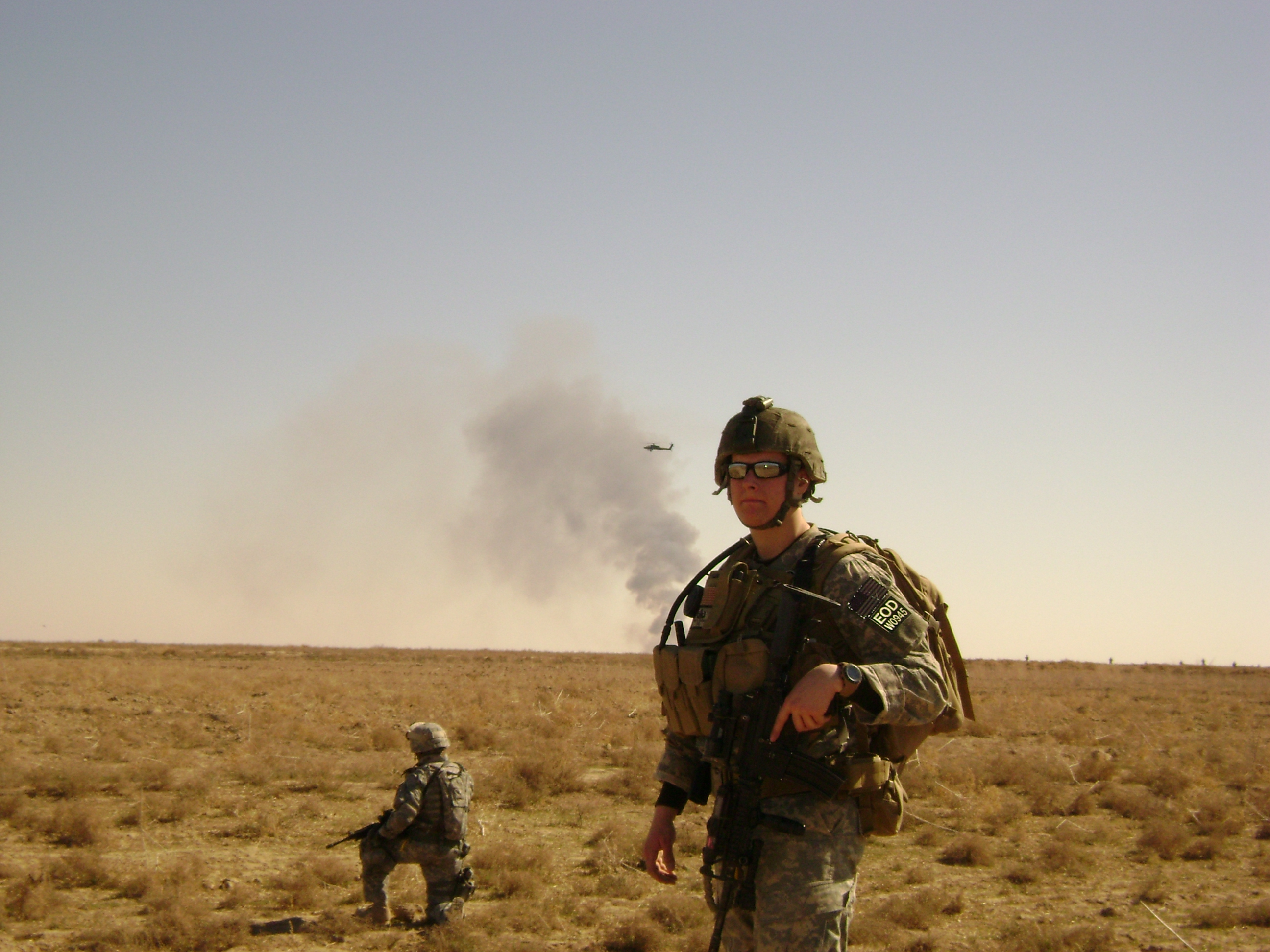
Ryan Whitman was 17 when he joined the Army in 2002. A high school junior and unsure of what he wanted to do, Whitman was looking for something to challenge him and give him direction. The following summer, while his classmates were gearing up for senior year, he went to boot camp.
After graduation, he volunteered for explosive ordnance disposal (EOD) training and entered a class of 30 aspiring bomb technicians. He was one of only three who graduated.
“Bomb school changed everything for me,” Whitman said. “I didn’t really know what I was capable of."
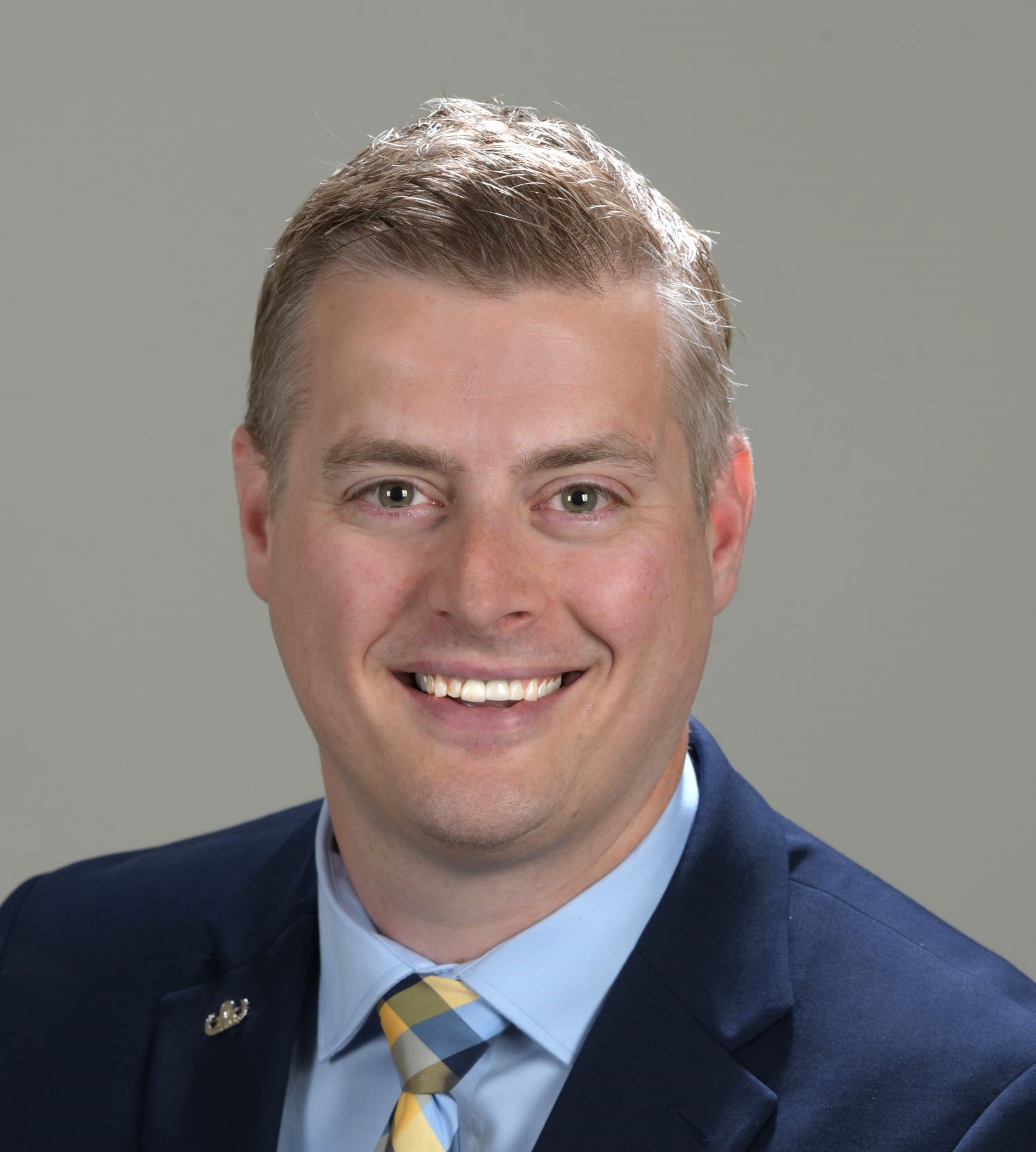
Now more than two decades later, Whitman is senior manager of project management for Customer Affordability and Growth at Pepco Holdings (PHI), which consists of Atlantic City Electric, Pepco and Delmarva Power. The stakes are different, but he still draws on the lessons he learned as a young soldier: the value of being beside the people doing the work.
Early in his Exelon career while managing utility projects for Atlantic City Electric, Whitman would grab his laptop, turn on his hotspot and head for a substation. Instead of managing a project from behind a desk, he would plant himself in the trailer. Every question was urgent: How does this work? What do we have to do next? Does anyone need anything?
“I used to live out at the substations,” Whitman said. “Talking to the guys in the field, seeing exactly what they need, and not just staying in my hole in the office has made a world of difference on my projects.”
This leadership approach had been shaped years earlier, when a teenager who felt disconnected from the classroom found something that demanded his full attention. EOD training showed Whitman what he could accomplish when he focused on a mission that truly mattered to him.
Soon, the stakes became much higher. In Iraq, Whitman was often tasked with the dangerous job of going outside the base to disarm improvised explosive devices. On other missions, he walked long distances carrying a 100-pound rucksack alongside a team leader who sometimes had to remind him to get back up and keep moving as exhaustion set in.
“We don’t quit. That’s not what we do,” he said.
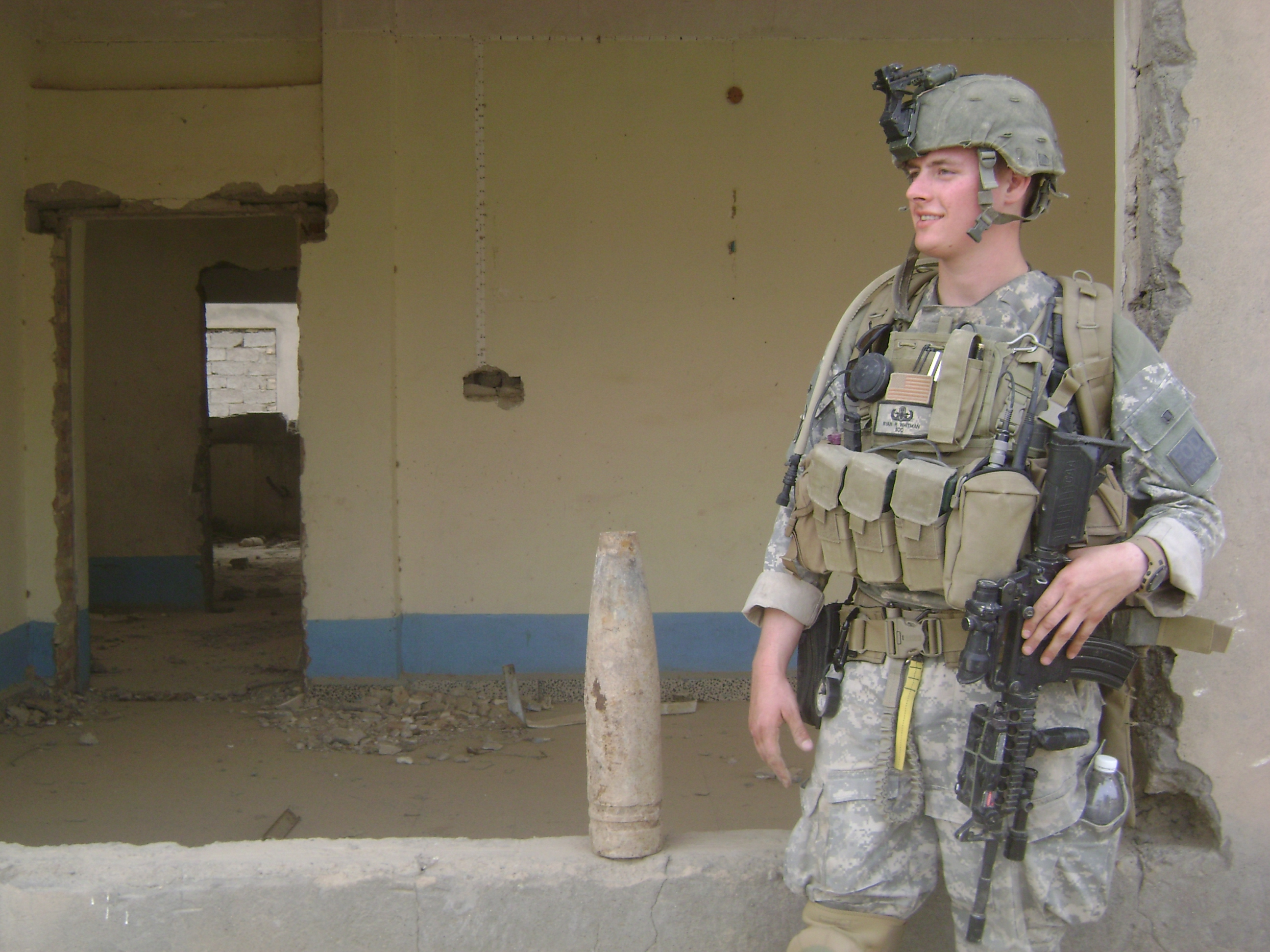
In the Army, soldiers don’t choose who serves besides them. Troops come from different backgrounds, and they all have different personalities and strengths. Many tasks are too big for one person, and Whitman had to learn how to collaborate with his fellow soldiers to accomplish the mission.
“You learn very quickly that you can’t do it on your own,” he said. “You learn how to rely on other people for help and that its okay to ask for help.”
In the military, Whitman said there was an “insane sense of purpose.” The people around him trusted each other with their lives and spent all of their time together. But after completing his service, that structure disappeared almost overnight.
“One day it’s just all gone,” he said. “You’re by yourself and it’s like, ‘What do I do now?’”
Finding purpose in a new mission
Whitman spent years searching for his answer, working in roles related to explosive ordnance disposal and government positions while returning to school to get degrees in project management and business.
His path ultimately led to somewhere familiar. Whitman’s father worked at PECO. So did his grandfather and his great uncle. When Whitman joined the company, he became the fifth person in his family to work for Exelon.
His family may have helped open the door, Whitman said, but what followed was his own journey. He started as a project manager at Atlantic City Electric and, over a decade, worked his way through increasingly complex projects and leadership positions. Along the way, Whitman found something he had missed after leaving the military: purpose.
“We’re not just keeping the lights on,” Whitman said. “We’re keeping people’s lives going. We’re keeping dialysis machines running, keeping life support running, keeping hospitals running. It’s everything.”
For Whitman, Veterans Day is both filled with recognition and a reminder that service members are still navigating difficult circumstances and shared experiences that can be hard to understand from the outside.
When service members return to civilian life, those experiences remain. Whitman knows they don’t always translate neatly on a resume. The technical knowledge, skills and responsibility can be hard to capture on paper.
This Veterans Day, his advice to leaders is simple: ask questions.
“Ask them what they did in the military, take an interest in it, see what translates,” Whitman said. “There may be other tools there that you're not aware that you have.”