10 Simple Ways to Lower Your Energy Bills
Customers


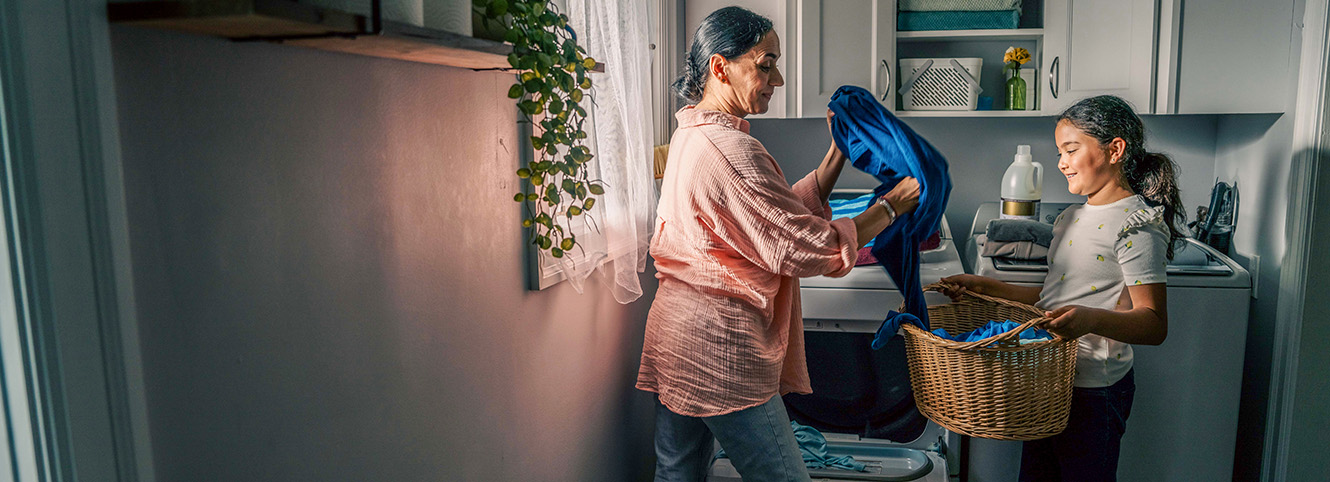
The energy it takes to heat, cool, light and power the devices we rely on every day can add up quickly. Especially during the summer and winter, small changes around the house can potentially make a meaningful difference.
From adjusting thermostat settings to maintaining equipment and tracking energy use, these are simple 10 steps you can take throughout the year to save energy and potentially lower your bills.
Monitor Your Thermostat
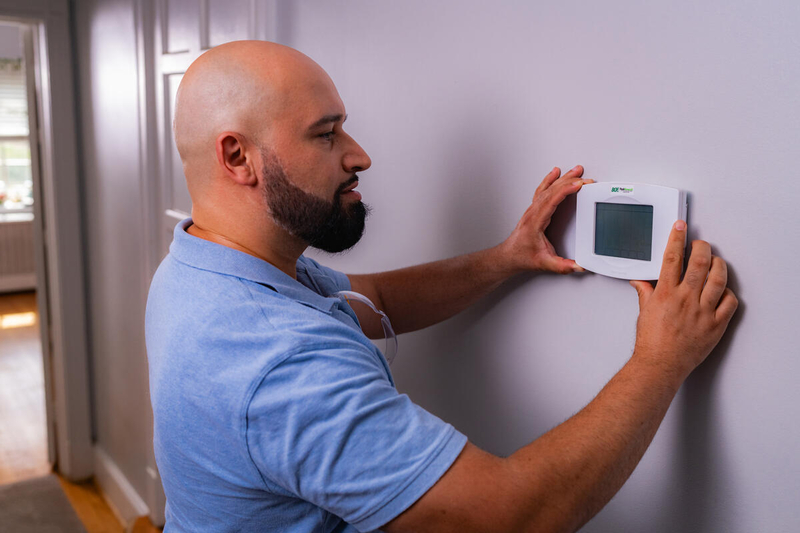
Air conditioning and space heating together are the largest energy users in homes, typically making up about 32% of residential energy use, according to the Department of Energy. When it’s hot out, save by keeping your house slightly warmer than normal while away and setting the thermostat as high as you find comfortable for while you’re home. And don’t crank up the A/C when you first turn it on. It won’t cool your home any faster and could result in excessive A/C use, potentially costing you more in the long run. In the winter, set your thermostat to 68°F. For each degree you lower the thermostat, you could save up to 5% on heating costs.
Maximize Efficiency
Schedule regular maintenance for your heating and cooling equipment. This can help ensure that your systems are energy efficient and work properly, and it may help prevent surprising repairs or replacements. Be sure to vacuum air intake vents regularly and make sure that dust build up is not blocking the air intake duct. Keep furniture, clothing and anything that might restrict the flow of air clear from your vents to help the system remain efficient and ensure it works properly.
Weatherproof Your Home
Inspect doors, windows, ceilings and exterior openings for gaps or cracks to potentially improve comfort and energy efficiency. Use weatherstripping or caulk to seal and prevent air leakage to potentially help keep your home cool in the summer and warm in the winter. Lastly, replace or update worn-out weatherstripping with new seals to help ensure that windows and doors remain tightly closed and your indoor temperature stays regulated.
Turn Off Unnecessary Lights and Appliances
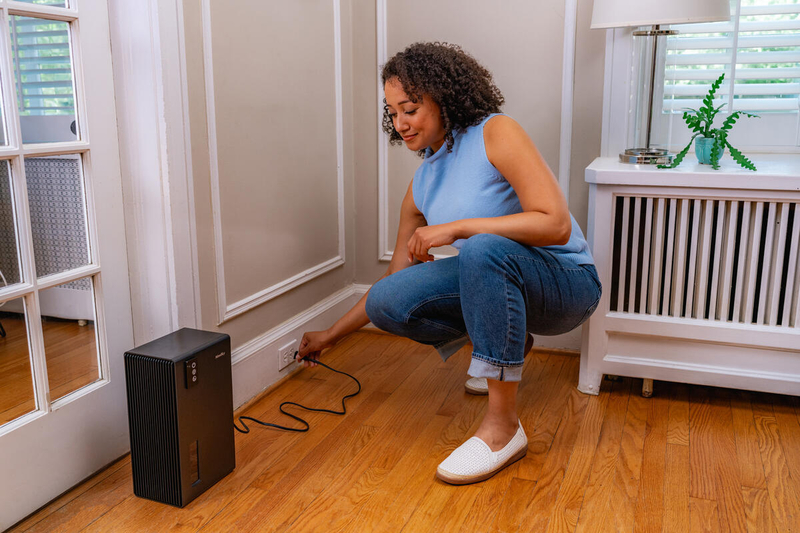
Small actions like turning off lights and unused appliances can make a difference over the long run for your electric bills. Unplug appliances and electronics when not in use. Make it easy on yourself by using smart power strips when possible.
Switch to Energy Efficient Lighting
The average U.S. household has about 70 lightbulbs, according to the Department of Energy. One ENERGY STAR certified LED (light-emitting diode) lightbulb uses up to 90% less energy than old incandescent bulbs and can potentially save you about $55 in electricity costs over its lifetime. They also last 15-25 times longer, so you’ll be changing bulbs less frequently.
Get a Home Energy Check-Up
Ask your local Exelon utility for a home energy assessment. It's a fast way to potentially increase the energy efficiency of your home and help you start saving immediately. An energy efficiency professional will come to your home and check the condition of its insulation, heating and air cooling system, lighting, appliances and more to identify any simple ways to help you save energy and money.
Check Your Water Heater
Water heating accounts for around 18% of your energy usage, according to the Department of Energy. Insulate your hot water tank or pipes to potentially reduce heat loss. Set your hot water heater temperature to a lower degree — the recommended temperature is around 120°F — could save you between six and 10% annually.
Manage Appliances
Some major indoor appliances produce or purposefully utilize heat to function. Washer and dryer units, ovens and even dishwashers can emit considerable heat. In the summer, consider running these major appliances at night or in the early morning hours when the sun is down to reduce the overall temperature indoors. And make sure to run a full load of laundry and dishes to potentially improve efficiency year-round.
Change HVAC Filters Regularly
Heating and cooling systems work harder when their air filters become dirty or clogged. Replace filters according to manufacturer recommendations to possibly improve airflow, help them operate more efficiently and support indoor air quality. Regular filter changes — for example, during the first day of each season is a good time to do this — may also extend the life of your heating and cooling equipment.
Track Your Energy Uses
Exelon's utilities offer online tools, alerts and usage insights that help customers better understand how and when they use energy. Monitor your energy consumption to identify opportunities to potentially save, avoid surprises on monthly bills and make more informed decisions about energy use throughout the year.